Discover the best uses for Microfiber Cloth in 2025. Clean your car, bike, kitchen, and glasses with streak-free shine and long-lasting softness every time. Think about the last time you wiped dust from your car dashboard or tried to make kitchen counters shine. Maybe you’ve gently cleaned your favorite glasses or brought a bike back to a spotless glow. The right microfiber cloth makes all these small wins almost effortless. No streaks, no lint, just a clean that feels satisfying every single time.
A good microfiber cloth fits into every part of daily life, from quick touch-ups to deep cleans. You’ll find it just as useful in the garage as you do in the kitchen. Whether you’re caring for your car, bike, delicate lenses, or shiny countertops, this single cloth handles it all with ease.
Microfiber cloth brings together softness and strength, helping you remove dirt and fingerprints in seconds. If you want less fuss and more shine in your routine, a quality microfiber cloth is a simple, smart solution.
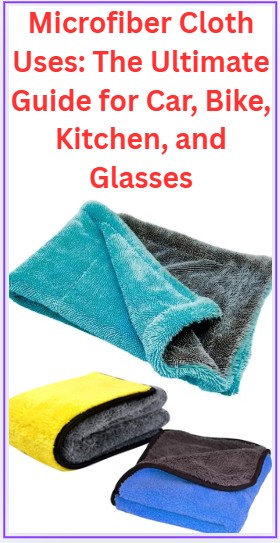
What Makes Microfiber Cloth Unique?
You see the term “microfiber cloth” everywhere, but what actually sets it apart from old-school rags, towels, or even paper wipes? It’s not just a fancy word, there’s real science behind why these cloths outperform almost everything else you’ve used. Let’s break down the qualities that make microfiber cloth such a stand-out for cleaning tasks in every corner of daily life.
Ultra-Fine Synthetic Fibers
Microfiber cloths are made from synthetic fibers much finer than a human hair—think about one-sixteenth the size. This super-fine construction gives the cloth a silky-soft feel, while packing in more cleaning power per inch than you might expect. The structure helps trap dirt instead of just pushing it around.
Benefits of these tiny fibers:
- Better dirt pick-up: The small fibers reach into cracks and tiny grooves where traditional fibers just glide past.
- No lint left behind: You won’t spot fuzzies or bits of cloth stuck on glass, mirrors, or delicate paint.
- Gentle touch: Safe for sensitive surfaces like eyeglasses, car exteriors, and stainless steel.
High Absorbency
Microfiber stands out for its absorbency. Even lightweight microfiber cloths can hold several times their weight in water. That means fewer passes, less effort, and quicker drying for surfaces.
- Quick spill clean-up: Perfect for soaked countertops or damp car seats.
- Dry streak-free: Surfaces like mirrors and glass dry clear, with no water spots left behind.
- Reduces chemical use: Often, you need just water—microfiber grabs oils and dust without harsh cleaners.
Advanced Cleaning Power Without Scratching
Unlike rough or thick cloths that scratch and scrape, microfiber uses a mix of split fibers to manage dirt safely. Each fiber attracts particles with a slight electric charge, practically pulling dust off surfaces as you wipe.
- Traps and locks in grime: Prevents dirt from resettling, making every swipe count.
- Safe on finishes: Protects paint, plastic, and coated surfaces from micro-scratches.
Durability and Longevity
A microfiber cloth isn’t a one-use wonder. With proper care, you can wash and reuse it for years.
- Holds shape after many washes
- Resists shrinking and fraying
- Remains soft and effective even after heavy use
Versatility for Every Task
Whether you’re drying your car, wiping kitchen counters, or cleaning glasses, a microfiber cloth adapts. It’s equally effective wet or dry, with or without cleaning solution.
Common uses include:
- Car and bike detailing
- Kitchen and bathroom cleanup
- Polishing windows and mirrors
- Safely wiping electronics and screens
- Cleaning eyeglasses and camera lenses
Microfiber cloth brings together technology, softness, and efficiency to make cleaning tasks easier and faster. It’s more than just a cloth—it’s a hardworking tool trusted by pros and families alike.
Using Microfiber Cloth for a Gleaming Car
Bringing out the best shine in your car takes more than a quick hose-down and a swipe with a random towel. A good microfiber cloth completely changes the game when you want to wash, dry, and detail without leaving streaks or scratches. This section will help you get the most out of microfiber cloths, turning even a quick wash or interior wipe-down into a professional-level finish.
Washing and Drying with Microfiber
The first wash lays the foundation for a shiny, spot-free car. Using a microfiber cloth for washing and drying works wonders compared to ordinary towels.
You’ll notice how these cloths grab hold of dirt rather than pushing it around. Their fine threads reach into textured surfaces like car grilles, mirror seams, and trim gaps, leaving nothing behind. When rinsed, they release almost all collected dirt so you can keep cleaning with confidence.
Why use microfiber here?
- No streaks or swirl marks: The soft, split fibers glide over paint and glass, lifting grime without leaving behind micro-scratches. This keeps your car looking like new after every wash.
- Dries faster: Microfiber soaks up water much better than cotton towels. One large cloth can dry almost your whole car, pulling moisture off the surface instead of spreading it around.
- Reduces water spots: Paint and chrome dry streak-free because microfiber cloths leave fewer drops behind.
When you rinse off soap and go in for the dry, fold your microfiber cloth a couple of times, pat the surface, then glide it across panels. Change to a clean side often for best results. You’ll finish quicker, with fewer towels, and the end result will gleam.
Interior Detailing: Dashboards, Seats, and Windows
Microfiber cloth isn’t just for the outside of your car. For the inside, especially dashboards, leather seats, touchscreens, and windows, it’s unbeatable. The plush texture attracts dust and wipes away smudges without any harsh chemicals.
Best ways to use microfiber inside your car:
- Dust dashboards and vents: The cloth’s fibers grab dust and pollen that settle in the nooks of your dash or air vents. Just a light wipe leaves surfaces looking cared for.
- Clean seats, including leather and fabric: Tackles crumbs and pet hair with a single swipe. For leather, slightly dampen the cloth to remove fingerprints and grime while protecting the finish.
- Polish windows, touchscreens, and mirrors: Lifts fingerprints, streaks, and haze with no lint left behind. Your infotainment screen and glass panels will look spotless without any glare.
When detailing the interior, dedicate a few cloths to specific uses. One for glass, one for screens, one for seats, and one for general dusting. This stops cross-contamination and keeps every surface shining. Keep a dry microfiber cloth within reach for a quick touch-up—your car’s cabin will always look crisp and fresh.
With just a few microfiber cloths, your car’s exterior and interior can look freshly detailed any day of the week. It’s a small step that makes a huge difference in how your ride feels and looks, mile after mile.
Microfiber Cloth for Bike Care
When it comes to keeping your bike looking sharp, a microfiber cloth is your best friend. It works far better than cotton or paper towels, picking up dust, dirt, and grime while protecting delicate paint and metal. The secret is in the structure: millions of tiny fibers, packed tightly together, act like magnets for mess. Whether your ride is a daily commuter or a gleaming weekend cruiser, microfiber keeps every part of your bike looking its best with minimal effort.
Quick Bike Touch-Ups: Safe for All Finishes
A microfiber cloth is perfect for quick bike clean-ups. Dirt roads, city dust, or a quick morning ride can leave a surprising layer of grime. Grab your cloth, give the surfaces a gentle wipe, and you’ll see an instant difference—without dragging out the hose or cleaner bottle.
What makes microfiber ideal for every bike?
- Safe for all surfaces: Whether your frame is glossy, matte, or custom-painted, these cloths glide over without leaving behind scratches or scuffs.
- Static-charged fibers: They lift away everything from dust to oily fingerprints with a single swipe.
- No residue: You won’t have to worry about lint or streaks sticking around after you finish.
If your bike has a carbon frame, polished metal, or powder-coated color, you can use a microfiber cloth worry-free. Unlike rougher rags, there’s no risk of tiny scratches that build up over time.
For quick touch-ups before a ride, follow this simple routine:
- Use a dry microfiber cloth to wipe down the frame, handlebars, and wheels.
- Focus on tricky spots like under the seat and around bottle cages.
- Shake out or rinse the cloth regularly to avoid spreading grime.
It’s the simplest way to keep your bike looking good, even on busy days.
Long-Lasting Shine: Preventing Scratches and Streaks
Keeping that new-bike shine isn’t just about the first deep clean. Regular use of a microfiber cloth makes all the difference. The fine split fibers trap dirt, keeping it away from the paint and metal so nothing gets rubbed in. This means fewer hairline scratches and no annoying swirl marks.
Why microfiber shines above the rest:
- Softness with cleaning strength: Even the toughest jobs won’t rough up your finish.
- Polishes to a streak-free glow: Surfaces—from painted frames to shiny spokes—dry spotless, with no hint of marks or water drops.
- Saves you time: You won’t need to re-wipe or spend ages buffing. One pass usually does the trick.
For best results, use a damp microfiber cloth for stubborn spots, then follow with a dry one for a perfect finish. This routine keeps your bike looking showroom-ready, no matter how often you ride.
A microfiber cloth isn’t just another rag. It’s a tool that helps your bike last longer, look better, and feel like new with every ride. Whether you’re wiping off splashes after rain or giving your road bike a weekly polish, microfiber proves its worth every single time.
Microfiber Cloth in the Kitchen
A microfiber cloth feels right at home in a busy kitchen. It does more than wipe away crumbs—this tool helps you keep stainless steel refrigerators shining, countertops clean, and appliances looking new. Its ultra-fine fibers lift dirt, oils, and even invisible bacteria, turning a simple wipe into true cleaning power. Let’s look at how a microfiber cloth makes everyday kitchen tasks easier, faster, and more effective.
Wiping Counters and Appliances Clean
Most kitchen surfaces face a constant battle with smudges, fingerprints, splatters, and crumbs. A microfiber cloth glides over these messes and collects them with a single swipe, using its soft texture to protect even the most delicate finishes.
- Stone and laminate countertops: Microfiber grabs fine particles and sticky spots you can’t even see. With just water, you can achieve a look that’s cleaned deep, not just clear on the surface.
- Stainless steel appliances: No more blotchy streaks or greasy fingerprints. The cloth’s split fibers polish oven doors, toasters, and fridge handles until they gleam.
- Cabinet doors and kitchen tables: A quick pass removes flour dust, sticky fingerprints, or that mystery sauce splatter left behind from a busy meal.
Because microfiber lifts and traps dirt, instead of just moving it around, your kitchen looks and feels fresh. You use less cleaner, which is safer for food prep spaces and better for your peace of mind.
Tackling Tough Spills and Kitchen Messes
Kitchens see all kinds of spills, from milk puddles to greasy splashes. A microfiber cloth works like a tiny sponge, yet its powerful absorbency lets you mop up liquids and oily spots quickly.
- Quick response to accidents: If juice or soup hits the floor, grab your microfiber cloth. Its dense weave holds more liquid than a regular towel, so you can soak up spills with a couple of passes.
- Stubborn, dried-on messes: Even the best cooks find splashes of sauce or sticky sugar on the stove. A slightly damp microfiber cloth, pressed gently, lifts dried spots without harsh scrubbing or risk of scratching glass cooktops.
- Oily residue: After cooking, counters and stoves often have a faint film of oil. Microfiber grabs these slippery spots and leaves the surface dry and smooth.
Here’s how to get the most out of your microfiber cloth when mess strikes:
- Use one side to soak up most of the spill.
- Rinse the cloth in warm water, wring it out, then finish wiping.
- For tougher stains, use a few drops of dish soap with the cloth.
Microfiber cloths clean better, dry faster, and don’t leave lint or residue behind. In a kitchen where everything needs to be both clean and safe, this simple cloth becomes your secret weapon for a spotless and inviting space.
Crystal Clear: Microfiber for Glasses and Screens
Pocket-sized and packing serious cleaning punch, a microfiber cloth is the secret to a crystal-clear view—whether you’re reading, watching, or working. While old paper wipes and rough shirt sleeves scratch and smear, microfiber protects the things you look through and look at every day. The magic is in the cloth’s fine weave, which sweeps away smudges without effort or damage. Here’s how the right microfiber cloth keeps your glasses and screens spotless with every swipe.
Gentle Touch for Eyeglasses
Wearing glasses means fingerprints, dust, and streaks show up at the worst moments. A microfiber cloth is the solution. Its fibers are much finer than cotton, so they pick up oils and dirt without leaving a single scratch. Even expensive anti-reflective or blue light coating stays safe.
Unlike tissues or your shirt (which grind dirt in), microfiber lifts grime gently and locks it away.
- No scratches: Each pass picks up grit instead of rubbing it against your lenses.
- No lint: No fuzzy bits left behind, so you see only what you should—clear, sharp vision.
- Quick results: A single wipe is all most people need for a blur-free lens.
For the best clean, lightly breathe on each lens to add a hint of moisture, then wipe with your microfiber cloth. Touch up nose pads and earpieces, too. You might notice your glasses last longer and look newer thanks to this simple switch.
Safe Screen Cleaning: Phones and Tablets
Touchscreens pick up everything your fingers carry, from oils to dust. Using a microfiber cloth keeps your phone, tablet, or even laptop display looking like new. Forget about chemical sprays or rough towels, which can damage delicate coatings and leave streaks behind.
Microfiber does the job fast, dry or lightly dampened with water.
- No streaks: You get a clear screen, no glare or haze in bright light.
- Safe for coatings: Protects fingerprint-resistant and anti-glare treatments on expensive devices.
- No static: Reduces dust buildup, so your screens stay clear longer.
Simply turn off your device, give the surface a gentle sweep in circles, and let the tightly woven fibers do their work. For sticky spots, add a drop of water—never use harsh chemicals or paper wipes.
When you rely on your devices for daily work or entertainment, using a microfiber cloth is the smart move. It protects your investment and keeps every message, photo, and video easy to see.
A clean, clear surface helps you focus on what matters. That’s the power of a simple microfiber cloth across glasses and screens—maximum clarity with zero risk.
How to Care for Your Microfiber Cloth
A high-quality microfiber cloth is a true workhorse for cleaning cars, bikes, kitchens, and delicate surfaces like glasses. To make sure it stays effective and lasts for years, you need to care for it properly. With a few simple steps, your microfiber cloth will keep performing at its best—no lint, no scratches, just a streak-free finish every time.
Washing Your Microfiber Cloth the Right Way
Microfiber cloths are magnets for dust, grease, and grime, which makes washing them regularly essential. Unlike cotton towels, they rely on their unique fiber structure to lift and trap dirt. Cleaning them wrong can clog their fibers and cut their lifespan short.
To wash your microfiber cloth, follow these basics for best results:
- Skip the fabric softener: Fabric softeners clog the fibers and kill cleaning power. Use plain laundry detergent instead.
- Wash with similar materials: Always wash microfiber cloths alone or with other non-linting items. This prevents them from picking up lint that’s tough to shake off.
- Stick to cold or warm water: Hot water can break down synthetic fibers. Cold or warm water keeps them strong and flexible.
- Gentle cycle is best: Use a low or medium spin to avoid breaking down the weave.
Hand washing also works for a quick refresh. Just soak the cloth in warm, soapy water, gently rub out the mess, and rinse thoroughly.
Drying and Storing for Maximum Longevity
Proper drying preserves the plushness and static charge that makes a microfiber cloth so effective.
- Air dry when possible: Hang your cloths or lay them flat. They dry fast and won’t shrink.
- Low heat in the dryer works, too: If you need to use a dryer, choose the lowest setting. High heat can melt the fibers and ruin the texture.
- Never use dryer sheets: Like fabric softener, dryer sheets leave residue that clogs fibers.
When your cloths are fully dry, fold and store them in a clean, dry place. A small basket or separate drawer in the garage, kitchen, or car keeps them ready for any job.
What to Avoid When Caring for Microfiber Cloth
Microfiber is tough in use but sensitive when it comes to laundry. Protect your investment by steering clear of these common mistakes:
- No bleach: Bleach weakens and discolors the fibers, stripping away cleaning power.
- Don’t iron: Ironing burns and melts the microfibers together, making the cloth rough and useless.
- No harsh chemicals: Avoid strong solvents or degreasers that can damage the cloth.
If your microfiber cloth starts to feel stiff or less absorbent, a deep clean with a splash of distilled vinegar in the wash can help release built-up residue. Just rinse thoroughly before use.
Keeping Microfiber Cloth Ready for Every Task
Extend your cloth’s life with a bit of planning and care:
- Assign a color for each task: Avoid cross-contamination by using different colored cloths for cars, kitchens, bikes, and glasses.
- Rinse after heavy messes: If you use a microfiber cloth to wipe up oily or grimy messes, rinse or wash it right away to keep it fresh.
- Store dry: Don’t leave damp cloths crumpled in a corner. Mold and bacteria love moisture.
With the right care, a microfiber cleaning cloth remains soft, absorbent, and ready to tackle every job in your home, garage, or on the road. Proper cleaning brings back its magic, keeps streaks away, and ensures you’ll reach for the same cloth again and again.
Conclusion
Microfiber cloth brings a kind of everyday reliability and satisfaction hard to match. Its simple strength sparks a small joy every time you see surfaces gleam—cars shining in the driveway, kitchens feeling fresh, a favorite pair of glasses crystal clear. Across every use, from gritty bike frames to delicate electronics, microfiber cleaning cloth handles it all with a gentle touch and real power.
If you want streak-free results, less frustration, and tools built to last, make the swap to microfiber cloth in your cleaning routine. Upgrade today and notice how even the smallest chores feel easier, faster, and more rewarding. Clean with confidence and enjoy the beauty of spotless spaces, knowing you picked the smarter, longer lasting solution for every corner of your day.
Thank you for reading. If you have a story or tip about using your microfiber cloth, share it below and help others enjoy that same shine.